
Source acid-loving shrubs from Avaxa Plants
Looking to buy acid-loving shrubs for garden centres, wholesalers or landscaping projects? At Avaxa Plants you can compare, among others, Rhododendron, Camellia, Pieris and Leucothoe. View the current range, select to your specifications and order directly online.
To the acid-loving shrubs rangeAcid-loving shrubs are suitable for gardens and landscaping projects with acidic to slightly acidic soil. Species such as Rhododendron, Camellia and Pieris combine striking flowering with evergreen foliage. Other genera, including Leucothoe and Gaultheria, are mainly used for their leaf colour, compact growth or ground cover qualities.
At Avaxa Plants you can buy acid-loving shrubs through an extensive network of growers. In our B2B webshop you can view the available species and cultivars, compare pot sizes and plant heights, and put together a suitable range for your business or planting project.
A selection from our acid-loving shrubs range
Within our acid-loving shrubs range you will find, among others, Rhododendron, Camellia, Pieris, Skimmia, Leucothoe, Gaultheria and Erica. These genera differ in flowering habit, leaf colour, growth form and site requirements. Below we highlight three groups that are of interest to garden centres, wholesalers and professional landscapers.
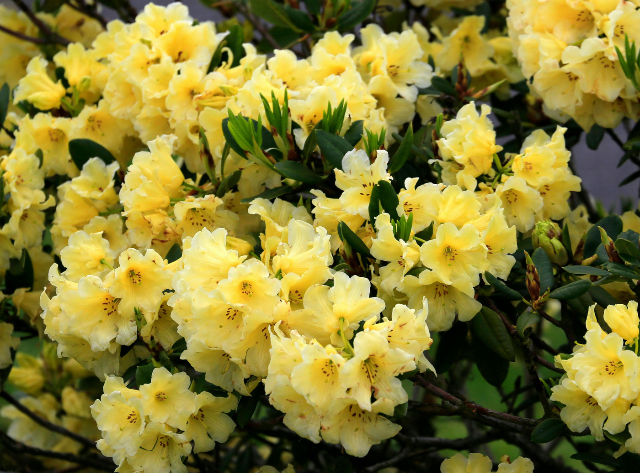
Flowering Rhododendron and Camellia
Rhododendron and Camellia are popular flowering shrubs for acidic soil. Rhododendron offers variety in flower colours, growth heights and flower forms. Camellia combines striking flowers with glossy, evergreen foliage. Both genera are suitable for shrub borders and specimen planting. When buying, compare the cultivar, flowering period and plant size for a suitable range or a coherent planting plan.
View our Rhododendron and Camellia range →
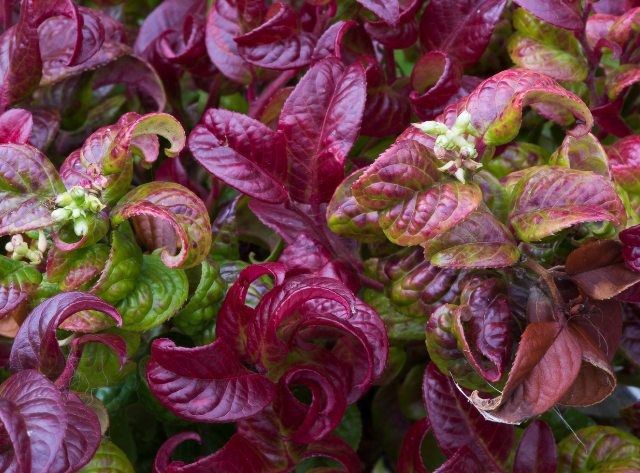
Evergreen shrubs with coloured foliage
Pieris and Leucothoe offer ornamental value through their evergreen foliage and striking colour changes. Pieris develops reddish young leaves and trusses of flowers in many cultivars. Leucothoe stands out for its leaves, which often turn red to purple in the cooler season. Skimmia also fits within evergreen planting concepts. These shrubs are of interest for shaded borders, containers and attractive retail displays.
View our Pieris, Leucothoe and Skimmia range →
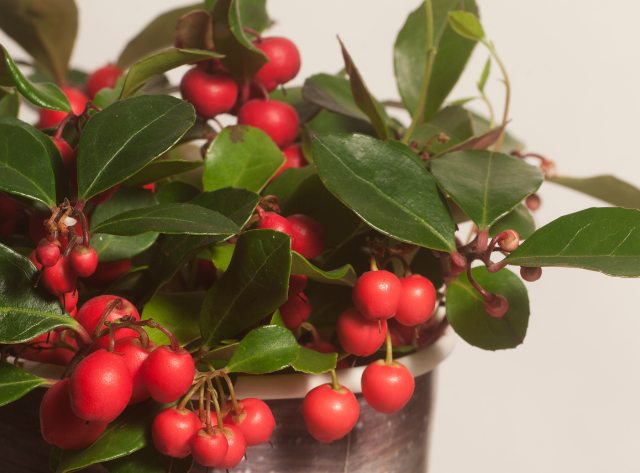
Low shrubs and ground cover
Low-growing Gaultheria and Erica are suitable for compact planting beds, low borders and container arrangements. Gaultheria offers evergreen foliage and, in certain species, striking berries. Erica provides a different structure with fine foliage and small flowers. Note the species-specific site requirements: many Erica species need more sun, while low-growing Gaultheria often grows better in partial shade.
View Gaultheria and Erica →
View our current acid-loving shrubs range
Compare Rhododendron, Camellia, Pieris and other species by pot size and height. Log in for your trade prices and order the selected shrubs directly online.
Acid-loving shrubs for your business or project
Acid-loving shrubs for garden centres and wholesalers
Acid-loving shrubs offer opportunities for a varied garden centre range. Combine flowering Camellia and Rhododendron with Pieris, Skimmia and Leucothoe for different selling seasons. In your display, distinguish between flowering shrubs, evergreen species and compact plants for smaller gardens or pots.
When buying, consider the pot size, plant development and ornamental value for the intended selling season. Smaller plants suit a compact retail range, while larger specimens take up more space and stand out immediately. Compare the options online and order precisely.
Acid-loving shrubs for gardeners and landscaping companies
When using acid-loving shrubs in landscaping projects, soil conditions, drainage and site are decisive. Rhododendron and Camellia require different growing space than compact Leucothoe or Gaultheria. Therefore check the soil pH, the amount of sunlight and the desired final height and width of the planting in advance.
Then match the plant size and quantities to the planting plan. For an immediately full planting effect, larger sizes may be of interest, while smaller plants need more time to fill the space. View the available species and order directly via our webshop.
Buying tip from Avaxa Plants
When buying Camellia, pay attention to the species group and the flowering period. Camellia sasanqua generally flowers earlier in the cooler season than Camellia japonica. Therefore check which cultivar you choose and align your purchase with the intended selling season. This way you can inform customers more precisely about the expected flowering.
What should you look out for when buying acid-loving shrubs?
Soil pH and lime content: Many acid-loving shrubs, including Rhododendron, Camellia and Pieris, grow best in acidic soil. Check the pH of the soil and take differences between genera into account. Not every shrub within this product group needs the same acidity.
Site and shelter: Camellia and Pieris generally grow well in sheltered positions with partial shade. Erica often needs more sun. Take into account cold wind, strong sun and local winter temperatures.
Pot size and plant height: Compare the available container sizes and supply heights. A larger pot does not automatically mean a fuller plant. Also check branching, growth form and uniformity in larger batches for retail displays or projects.
Soil moisture and drainage: Many acid-loving shrubs need moist but well-draining soil. Prolonged waterlogged roots can cause problems. For landscaping projects, therefore check the soil structure and water drainage.
Buying acid-loving shrubs from Avaxa Plants
At Avaxa Plants you order acid-loving shrubs directly via our B2B webshop. View the current range of, among others, Rhododendron, Camellia, Pieris and Leucothoe. Compare product photos, pot sizes and available plant heights, and use the filters to search precisely. After logging in you will see your trade prices and can order the desired products directly.
Are you looking for a specific cultivar, a particular plant size or a larger quantity for a project? You can then contact our team for additional assistance. Through our extensive grower network we can look carefully at the options for your purchasing requirements.
View the current acid-loving shrubs range
Compare Rhododendron, Camellia, Pieris and other species by pot size and height. Log in for your trade prices and order the selected shrubs directly online.
Frequently asked questions about buying acid-loving shrubs
Which acid-loving shrubs are evergreen?
Several species of Rhododendron, Camellia, Pieris, Leucothoe and Gaultheria retain their foliage through the winter. Leaf colour and hardiness vary by species and cultivar. Some Leucothoe cultivars turn strikingly red or purple. Always check the characteristics of the chosen plant when buying.
Which acid-loving shrubs are suitable for shade?
Pieris, Leucothoe, Skimmia and certain Gaultheria species are suitable for positions with partial shade. Some tolerate deeper shade too, depending on the species and conditions. Also pay attention to soil moisture and shelter. Not all acid-loving shrubs grow well in a fully shaded position.
Does Skimmia always need acidic soil?
No. Skimmia is often listed among acid-loving shrubs, but it is less dependent on acidic soil than Rhododendron or Camellia. Many Skimmia species also grow well in neutral soil. Sufficient soil moisture, good drainage and suitable light are generally more important than a strictly low soil pH.
How do I choose the right plant size for acid-loving shrubs?
The right size depends on the intended presentation or planting plan. Compare the pot size, supply height and growth habit. A compact Rhododendron in a larger pot has a different application than a young, upright-growing Camellia. Also take into account the final width and height.
Can I use acid-loving shrubs in chalky soil?
In strongly chalky soil, strictly acid-loving shrubs such as Rhododendron, Camellia and Pieris are generally less suitable for planting in the open ground. A large planter with a suitable acidic substrate can be an alternative. Ensure good drainage and sufficient water, especially during prolonged drought or frost.