
Buy fruit trees and fruit plants from Avaxa Plants
Buy fruit trees and fruit plants for garden centres, wholesalers and landscape projects. At Avaxa Plants you will find, among others, Malus, Pyrus, Rubus and Vaccinium. Compare species, view product photos and order directly via our B2B webshop.
View our range of fruit trees and fruit plantsFruit trees and fruit plants are an interesting product group for garden centres, wholesalers and professional landscape projects. For fruit trees, the cultivar, growth form and pollination play an important role. For soft fruit, the fruit type, growth habit and planting position are mainly decisive. A suitable range therefore requires variety in species, sizes and applications.
As a supplier of fruit trees and fruit plants, Avaxa Plants gives access to a broad grower network. In our webshop you compare different genera, pot sizes and plant heights. This way you can put together a targeted range for your business or project and easily order the plants you need online.
A selection from our range of fruit trees and fruit plants
The range of fruit trees and fruit plants from Avaxa Plants covers various genera, from apple and pear trees to berry shrubs, grapes and kiwi. The plants differ in fruit type, growth form, final height and care requirements. Below we highlight three important product groups that suit different sales and application options.
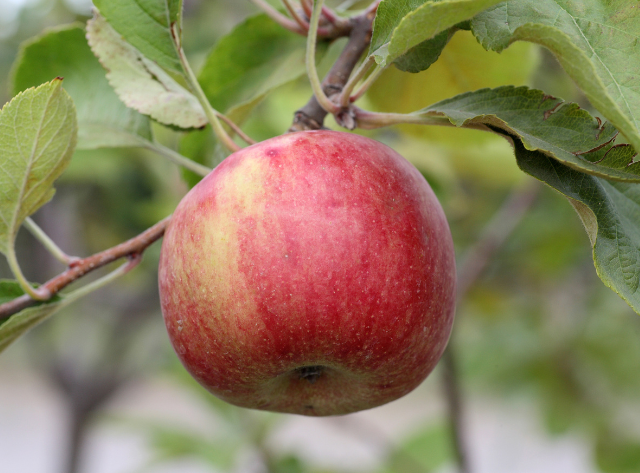
Apple, pear and stone fruit trees
Malus and Pyrus include apple and pear trees, while within Prunus you will find, among others, plum and cherry trees. These fruit trees differ in fruit type, cultivar, vigour and tree form. For garden centres, different plant sizes are of interest, while for landscape projects the available growing space and eventual crown development are mainly decisive in choosing the species.
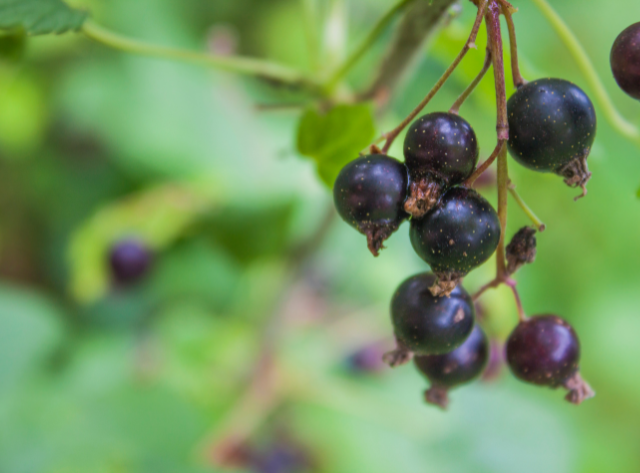
Berry shrubs and other soft fruit
Within soft fruit you will find, among others, Rubus for raspberries and blackberries, Ribes for gooseberries and redcurrants, and Vaccinium for blueberries. Fragaria, known from strawberry plants, also belongs to this product group. Soft fruit offers opportunities for compact garden centre ranges, edible gardens and kitchen garden projects. When choosing, pay attention to fruit type, growth habit and soil requirements.
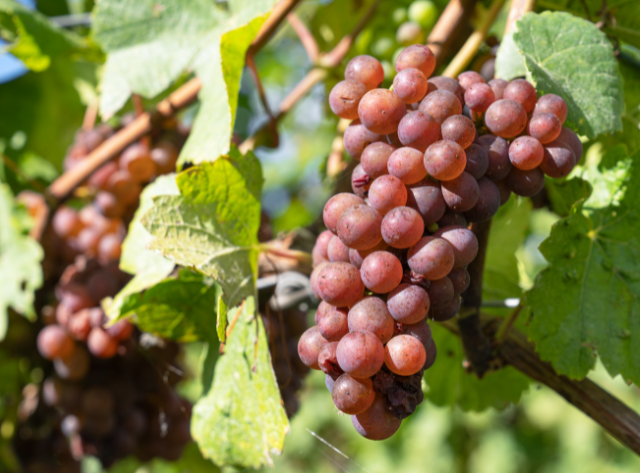
Grapes, kiwis and figs
Vitis, Actinidia and Ficus offer additional options within the fruit plant range. Grapes and kiwis are suitable for training along pergolas and other sturdy structures. Ficus carica, the fig, grows as a shrub or small tree. For these fruiting crops, the available space, amount of sunlight and protection against cold are important points for sales and planting.
View the current offer of fruit trees and fruit plants
Compare Malus, Pyrus, Prunus, Ribes, Rubus and other fruiting crops. Log in for your trade prices and order the required varieties directly online.
Fruit trees and fruit plants for your business or project
Fruit trees and fruit plants for garden centres and wholesalers
Fruit trees and fruit plants offer options for a varied sales range. Combine well-known fruit types such as apple, pear and plum with soft fruit such as raspberries, blueberries and gooseberries. In the shop display, distinguish between fruit trees, shrub-form soft fruit and climbing fruiting crops. This way customers can choose purposefully based on fruit type and available space.
Align purchasing with the selling season and the desired display. Compare different cultivars, pot sizes and plant heights and put together your range via our webshop.
Fruit trees and fruit plants for gardeners and landscape contractors
When including fruit trees and fruit plants in a planting plan, the planting position, growing space and desired yield are important. Malus and Pyrus are suitable for orchards and edible gardens. Soft fruit such as Ribes and Rubus can be used in kitchen gardens and mixed fruit plantings. Align the choice of species with local soil and climate conditions.
Then determine the required quantities, plant forms and supply sizes. For climbing fruit plants, also check the support needed. Via our webshop you select and order the products you need directly for your project.
Purchasing tip from Avaxa Plants
When buying fruit trees and fruit plants, always check the pollination characteristics of the cultivar. Not every apple or pear tree is sufficiently self-fertile. Some species need a suitable pollinator with overlapping flowering. Actinidia also has male, female and self-fertile plants. Take this into account when putting together your range.
What to look for when buying fruit trees and fruit plants?
Fruit type and cultivar: Choose cultivars that suit the intended use. Compare, among other things, fruit size, flavour and ripening time. By combining different cultivars, you can offer a varied fruit range.
Growth form and final height: Fruit trees differ in vigour and crown development. For grafted fruit trees, the rootstock affects the final tree size. Therefore check which plant form suits the available growing space.
Planting position and soil: Vaccinium requires an acid soil, while Vitis needs a sunny position and good drainage. Also take into account hardiness, late frost and local conditions.
Pot size and supply form: Compare the available pot sizes, plant heights and plant forms. Smaller fruit plants suit a compact sales range. Larger specimens can be of interest for projects where a clear plant presence is needed straight away.
Ordering fruit trees and fruit plants from Avaxa Plants
At Avaxa Plants you order fruit trees and fruit plants directly via our B2B webshop. View the current range of Malus, Pyrus, Prunus, Rubus, Ribes and other genera. Compare product photos, pot sizes and heights and use the filters to find suitable plants. After logging in you see your trade prices and can order directly.
Are you looking for a specific cultivar, a particular tree form or larger quantities for a project? You can then contact our team for additional help. Thanks to our extensive grower network, we can actively look at suitable options for your purchasing.
View the current offer of fruit trees and fruit plants
Compare Malus, Pyrus, Prunus, Ribes, Rubus and other fruiting crops. Log in for your trade prices and order the required varieties directly online.
Frequently asked questions about buying fruit trees and fruit plants
Which fruit trees are suitable for a garden centre range?
Malus, Pyrus and Prunus form a good basis for a range of apple, pear, plum and cherry trees. Combine different fruit types and cultivars with suitable plant sizes. Pay attention to the eventual tree size, pollination and the intended selling season. This way you offer customers a choice for different garden sizes and uses.
What is the difference between Rubus, Ribes and Vaccinium?
Rubus includes, among others, raspberries and blackberries, while Ribes is known for gooseberries and redcurrants. Vaccinium includes, among others, blueberries. These genera differ in growth habit, care and soil requirements. Vaccinium in particular needs extra attention, as blueberries need an acid soil to grow well.
Which fruit trees are suitable for smaller gardens?
For smaller gardens, fruit trees with limited vigour and a compact tree form are especially interesting. With Malus and Pyrus, the rootstock used plays an important role in the eventual size. Also check the cultivar and the growing space required. A smaller supply size does not automatically mean the tree will stay compact.
Which fruit plants are suitable for pergolas and other structures?
Vitis and Actinidia are climbing fruiting crops that can be trained along sturdy structures. Grapes need a sunny position, while kiwis need sufficient growing space and shelter. When choosing the species, also check hardiness, pruning needs and pollination characteristics. Not every cultivar suits the same conditions.
When do fruit trees and fruit plants start bearing fruit?
This varies by genus, cultivar, age and growth form. Some soft fruit plants can produce fruit relatively quickly, while young fruit trees often need more time to become productive. Pollination, planting position, temperature and care also affect fruit set. Therefore assess the development stage per product and do not expect a harvest from every plant straight away.