
Buying trees from Avaxa Plants
Buying trees for your garden centre, wholesale business or landscaping project? View the current range from Avaxa Plants. Compare species and forms, log in for your prices and order directly in the webshop.
View the tree rangeTrees determine the height, structure and appearance of a garden or landscape project. For trade buyers, the choice is about more than the species alone. Growth form, stem height, crown development and growing method also determine whether a tree suits your sales range or planting plan.
A selection from our tree range
From a compact ornamental tree to a characterful specimen plant, trees offer wide variety in size and use. Examples include magnolias, pleached trees, multi-stemmed trees and fruit trees. The applications below help you put together your selection. The current range in the webshop shows which species, sizes and forms are available.
Which trees suit your range?
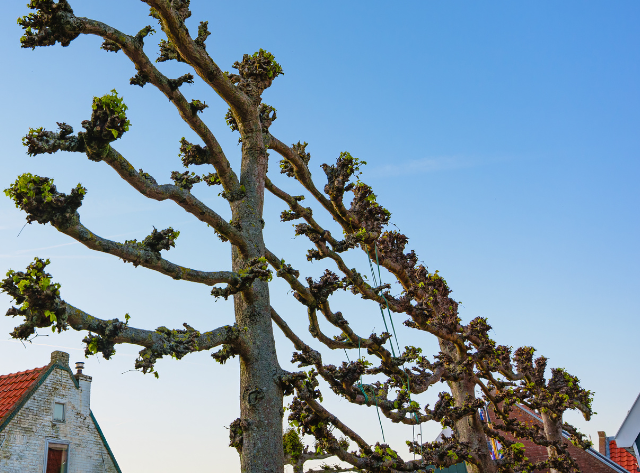
Pleached and standard trees for structure
Pleached trees and standard trees give direction to a garden design. A pleached form can create a green screen; a standard form provides shade above a seating area, for example. When buying, check stem height, frame dimensions and branching development. For a continuous row, comparable sizes and forms are important.
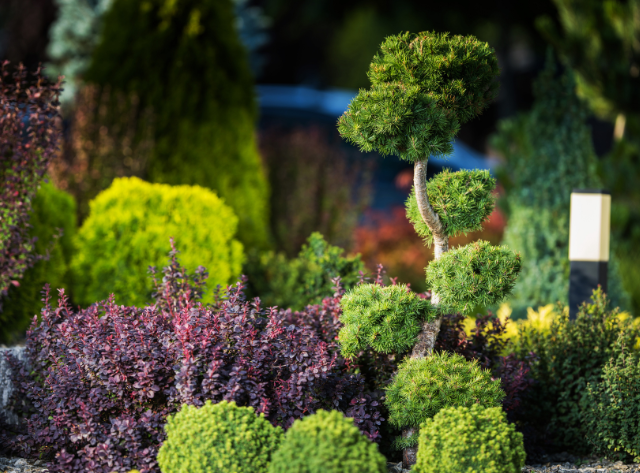
Ornamental trees as eye-catchers
Ornamental trees add flowering, leaf colour or a striking winter silhouette. Think of a flowering magnolia or a multi-stemmed tree with visible stem structure. For a specimen use, the relationship between crown and available space matters most. For a garden centre or landscaping project, select on mature size, growth form and the ornamental value your customer is looking for.
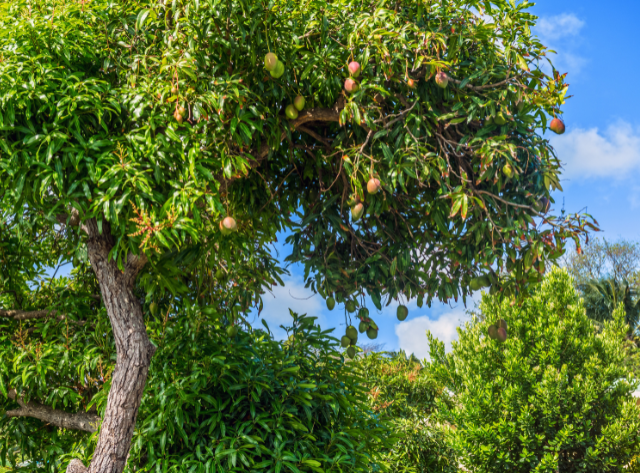
Fruit trees for edible gardens
Fruit trees combine flowering with a harvestable crop. Apple, pear, plum and cherry trees are examples for an edible garden range. Besides the fruit type, check rootstock, tree form and pollination. These characteristics partly determine how much space is needed and which combinations are suitable. Make these differences clear in your product presentation too.
View the current tree range
See which tree species, sizes and forms are available for your range or project. After logging in you can see prices and order directly online.
Trees for your business or project
Trees for garden centres and wholesalers
Build a tree range in which customers can choose by use: a small garden, privacy, shade or edible greenery. Combine recognisable tree forms with species that stand out for flowers, foliage or stem. State the final dimensions so the buyer knows how much space is needed.
Match your buying to the local planting season and the time when a tree shows its ornamental value. Keep enough room for the crowns at the point of sale. View the trees on offer online and order what fits your sales plan.
Trees for gardeners and landscaping companies
Start with the planting site: available root space, soil, drainage, light and exposure to wind. Then decide which tree species and form suit. A street tree along a driveway needs different crown space than a compact ornamental tree beside a terrace or a multi-stemmed feature in a border.
In your planting plan, record the botanical name, size and desired tree form. For multiple specimens, check that the specifications match. Compare the current range in the webshop and order the right trees for your landscaping project.
What to look out for when buying trees?
• Species and growing space: Check the botanical name and cultivar. Assess the final crown width and height in relation to buildings, paving and other planting. Look beyond the size at purchase.
• Stem girth and stem height: Stem girth for standard trade sizes is measured one metre above ground level. Stem height describes the trunk section below the crown; these measurements are therefore not interchangeable.
• Growing method and planting time: Distinguish container-grown, root-balled and bare-root trees. Match the form to the planned planting time, soil conditions and the ability to water thoroughly after planting.
• Tree form and handling: For multi-stemmed trees, check height and habit, and for trained trees check crown or frame dimensions. For larger specimens, consider access to the planting location and the equipment required.
Ordering trees from Avaxa Plants
In the Avaxa Plants webshop you can view trees with product photos and the related product details. Compare the species, sizes and forms on offer. After logging in you can see prices and order directly online. Before ordering, check that the chosen form fits your sales range or planting plan.
Looking for a specific cultivar, an unusual tree form or several matching specimens? Contact Avaxa Plants. We will help you with your selection and advise when the form you want is not in the current range.
View the current tree range
See which tree species, sizes and forms are available for your range or project. After logging in you can see prices and order directly online.
Frequently asked questions about buying trees from Avaxa Plants
When is the best time to plant trees?
The best planting time depends on growing method and local conditions. Bare-root trees are planted during the dormant period. Container trees offer more flexibility. Plant when the soil is workable, avoid frozen or waterlogged ground and provide sufficient water during dry spells.
Is every potted tree suitable for a terrace?
No. A tree supplied in a pot is not automatically suitable to remain there long term. For terrace use, choose a species and growth vigour that suit. Consider sufficient root space, drainage, stability and regular care, including watering and feeding.
What should you consider when combining fruit trees?
Check per cultivar whether cross-pollination is needed and which pollinator is suitable. Placing just two different fruit trees next to each other is not sufficient. Flowering times must also match. In addition, consider the rootstock: it affects growth vigour and therefore the space required.
Which plants can you use under trees?
Choose understorey planting based on light, soil moisture and root competition. Under a dense crown the conditions differ from those under an open, young tree. Suitable ground cover and perennials therefore vary by location. Keep the base of the trunk clear and avoid root damage during planting.